
✍️Handwriting Matters: Building Confident Writers
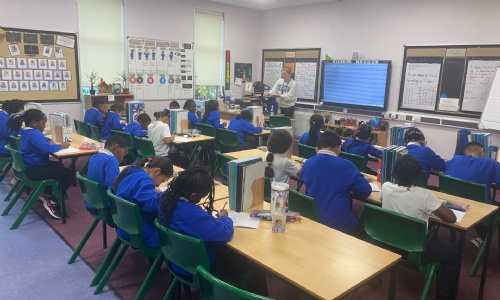
Why handwriting matters and how you can support your child at home.
At St George’s Primary School, handwriting is taught as a foundational skill that empowers every child to write with confidence and fluency. When letter formation and joins become automatic, children can focus their working memory on ideas, vocabulary, and creativity—rather than the mechanics of writing. Clear, legible handwriting also supports the reader, allowing them to attend to meaning without unnecessary effort.
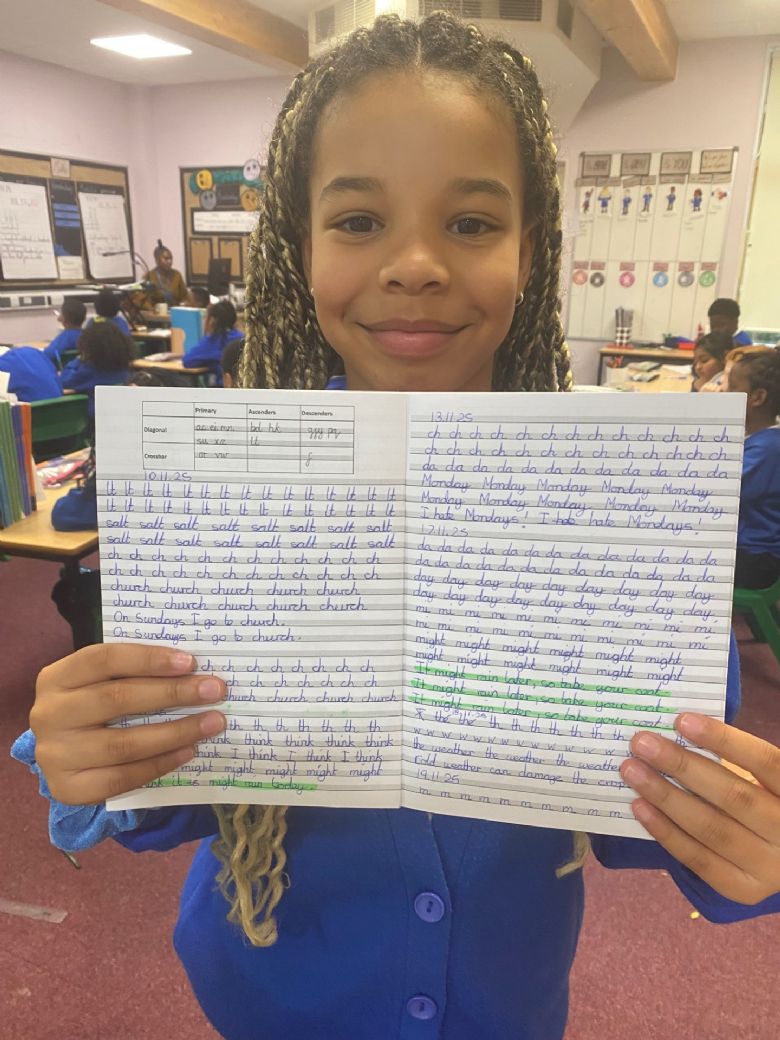
Ready-to-Write Routines
One of the most important foundations of handwriting success is developing strong Ready-to-Write routines.
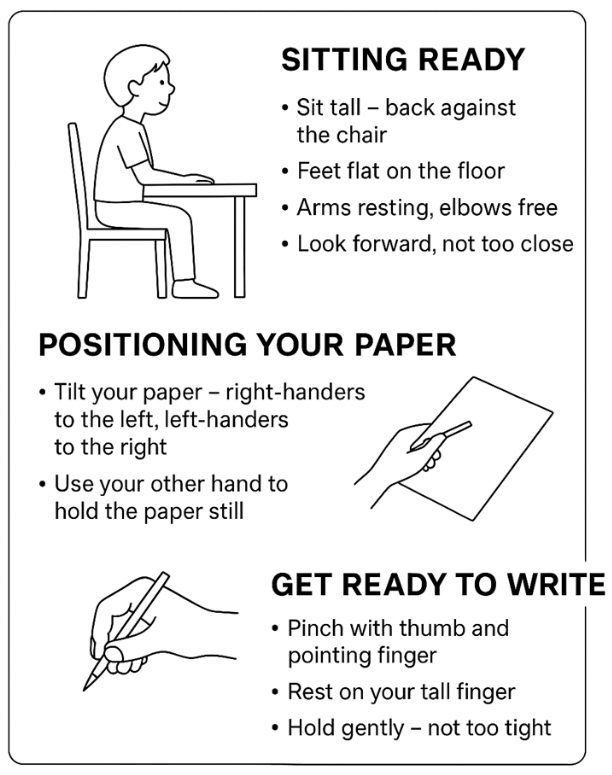
These habits support comfort, control, and writing stamina.
Letter Families and Progression of joins
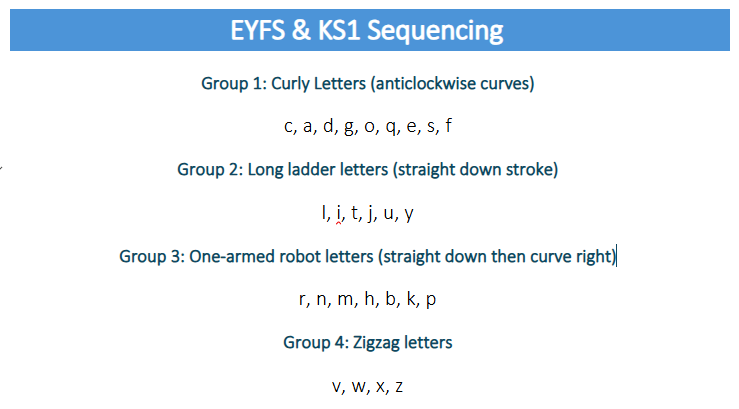
We teach letters in families—such as Curly Caterpillar, Long Ladder, One-armed Robot, and Zigzag—so children learn correct shapes and start points from the very beginning. Once these are secure, they progress through a careful sequence of joins, building fluency stage by stage so that writing becomes automatic and effortless.
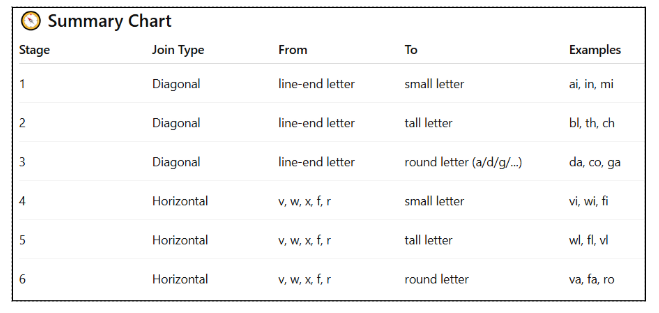
We also know that children succeed best when approaches are consistent between home and school. Using the same language, grip, posture, and expectations helps embed muscle memory and confidence. Your partnership makes a real difference — thank you for practising these important routines with us.
✏️ Tips for Supporting Handwriting at Home
-
Encourage proper posture and grip – Sit upright, feet on the floor, holding the pencil lightly with a tripod grip.
-
Focus on forming letters correctly – Remind your child to start letters in the right place and follow the correct strokes, just like they do at school.
-
Short, frequent practice – A few minutes of focused writing each day is more effective than long, infrequent sessions.
-
Fun writing activities – Try writing shopping lists, letters, or stories together to make handwriting purposeful and enjoyable.
-
Model neat writing – Children notice and imitate; showing clear handwriting encourages them to do the same.
-
Praise effort, not just neatness – Celebrate progress and consistency, helping your child stay motivated and confident.
For more information on how we teach handwriting, please have a look at our handwriting policy in Curriculum - English