RNLI Visit Makes Waves at School!
KS2 Empowering pupils with life-saving knowledge for safer seaside adventures
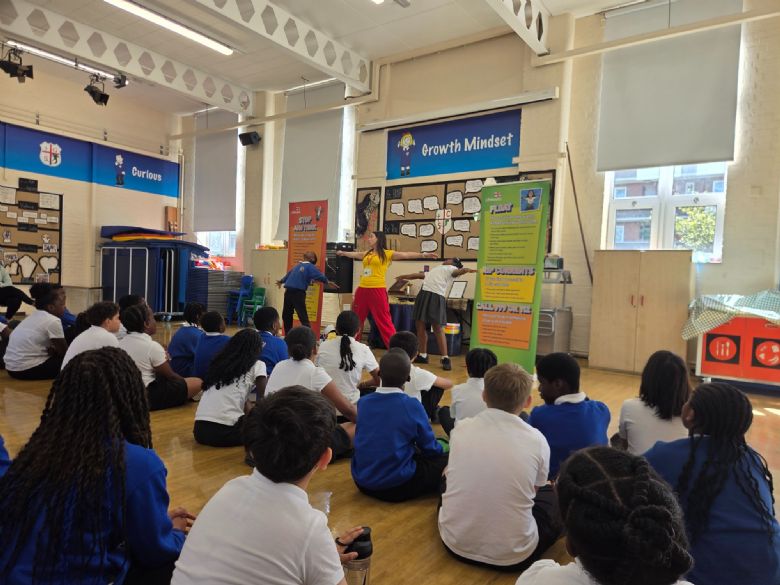
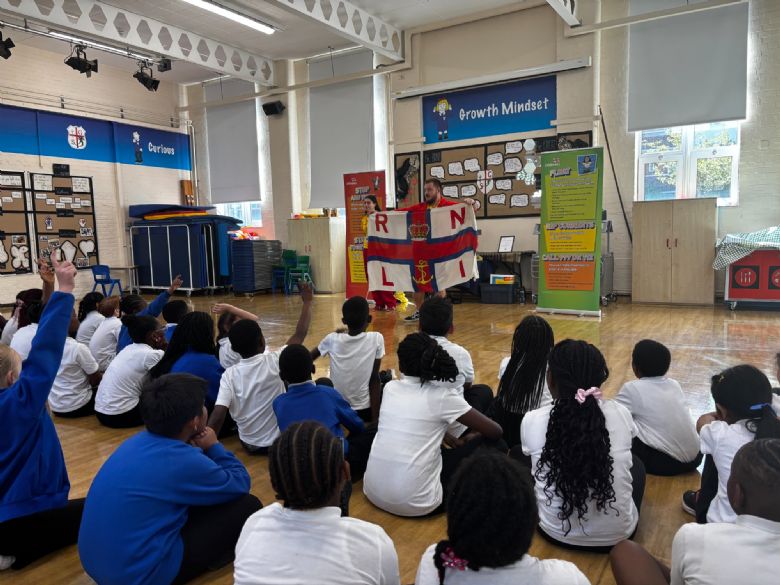
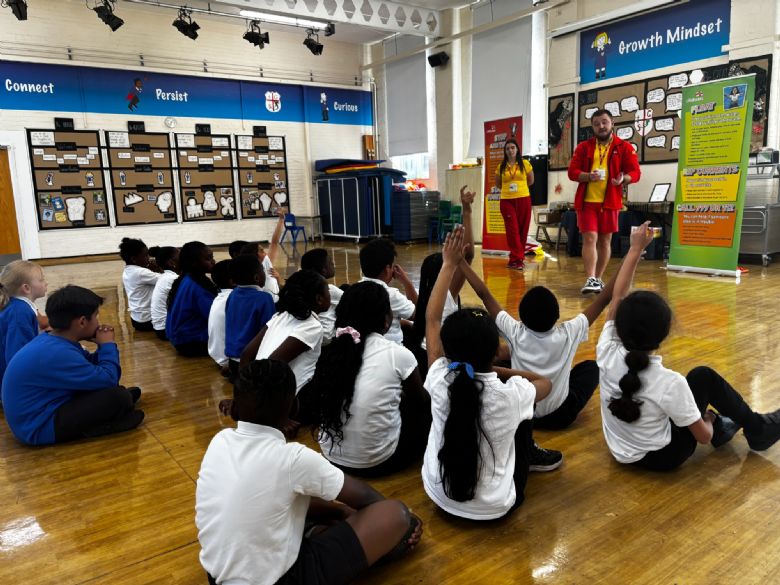
This week, we were delighted to welcome volunteers from the Royal National Lifeboat Institution (RNLI) into school for a series of engaging and informative workshops focused on beach safety. The sessions were tailored to different age groups, with Year 3 and 4 pupils attending the first session, followed by an equally impactful workshop for Years 5 and 6.
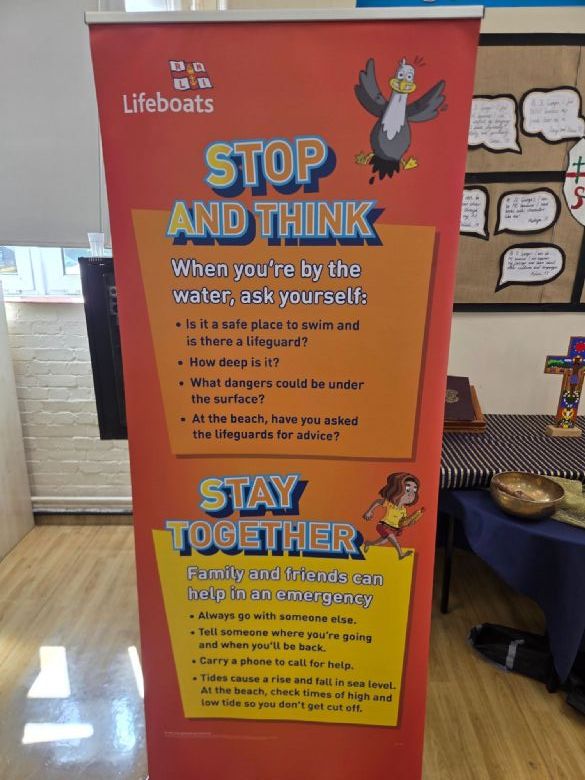
During the sessions, pupils were introduced to the vital “Stop and Think” technique—an essential approach to staying safe at the beach. They explored how to identify safe places to swim, the importance of locating lifeguards, and how to recognise potential hazards in the environment.
The RNLI team emphasised the importance of staying safe by making smart choices: always visiting the beach with others, sticking together, informing someone of your plans and timings, carrying a phone for emergencies, and being aware of tide times. These practical tips helped pupils understand how preparation and awareness can prevent dangerous situations.
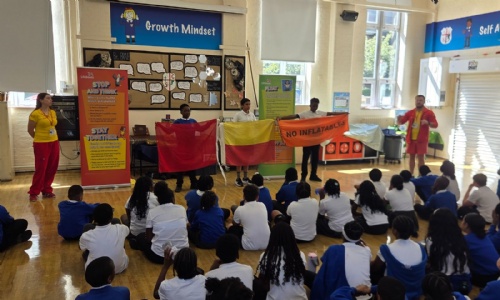
A key highlight was learning about the different beach safety flags used by lifeguards. Pupils discovered that:
- Red flags indicate danger and no swimming
- Red and yellow flags mark the safest areas to swim
- Black and white chequered flags are designated for surfboards and watercraft
- Orange windsocks signal unsafe conditions for inflatables
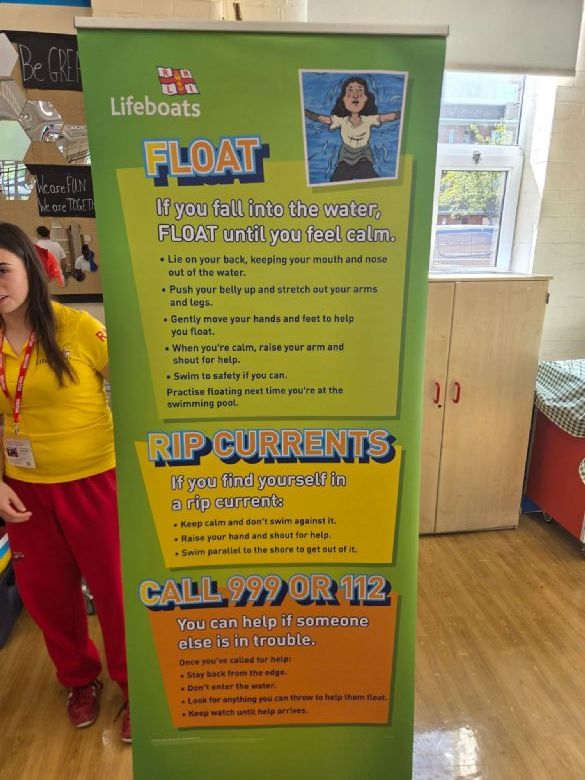
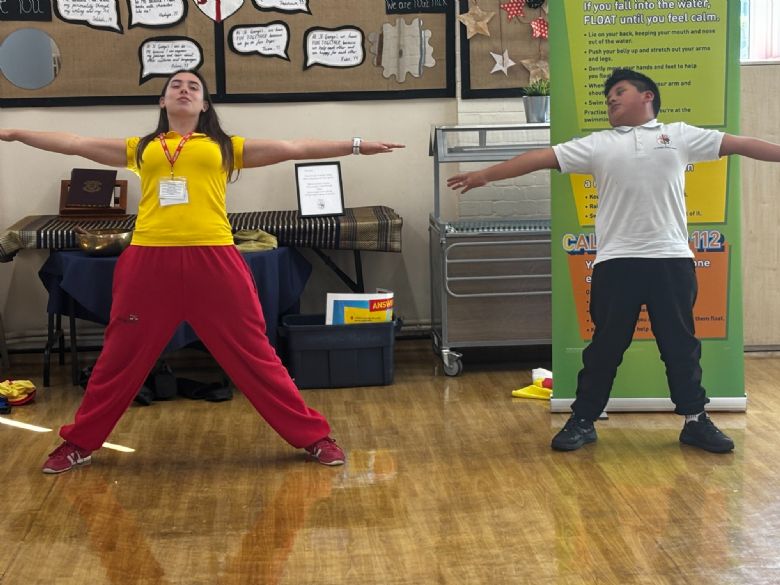
The children also learnt a potentially life-saving technique—how to float. By lying on their backs with their mouth and nose above water and remaining calm, they can conserve energy and stay safe if they find themselves in difficulty.
Another important topic covered was rip currents. Pupils were taught how to recognise them and what to do if caught in one: avoid swimming against the current, raise a hand and call for help, and swim parallel to the shore until free from the current.
Finally, the RNLI team explained what to do if someone else is in trouble. Pupils learnt the importance of not entering the water themselves, calling for help using 999 or 112, and looking for nearby flotation devices to assist safely from land.
The workshops were both educational and engaging, leaving pupils feeling more confident and prepared for future visits to the seaside. It was a fantastic opportunity to learn real-life skills that could make a crucial difference.
A huge thank you to the RNLI for delivering such valuable and memorable sessions—our pupils are now better equipped to stay safe and look out for others by the sea! 🌊
Our pupils certainly lived out the calls to action in our curriculum vision statement for RSHE:
Be healthy. Be safe. Be resilient.