Languages
Be expressive.
Be cultured.
Be confident.
Our Language Curriculum Vision Statement
Be expressive. Be cultured. Be confident.
Intent
Our intent is to deliver the content outlined in the Languages programmes of study within the national curriculum augmented with powerful knowledge carefully selected to build upon our pupils’ starting points of cultural capital.
To this end, we use the CUSP Languages model curriculum. This is a knowledge-engaged progress model which clearly outlines the key knowledge and vocabulary for each stage of learning in sequence.
Implementation
All areas of our curriculum are implemented using ten principles of effective instruction outlined in our Teaching Touchstones, which work in symbiosis with the Gradual Release Towards Independence model for teaching.
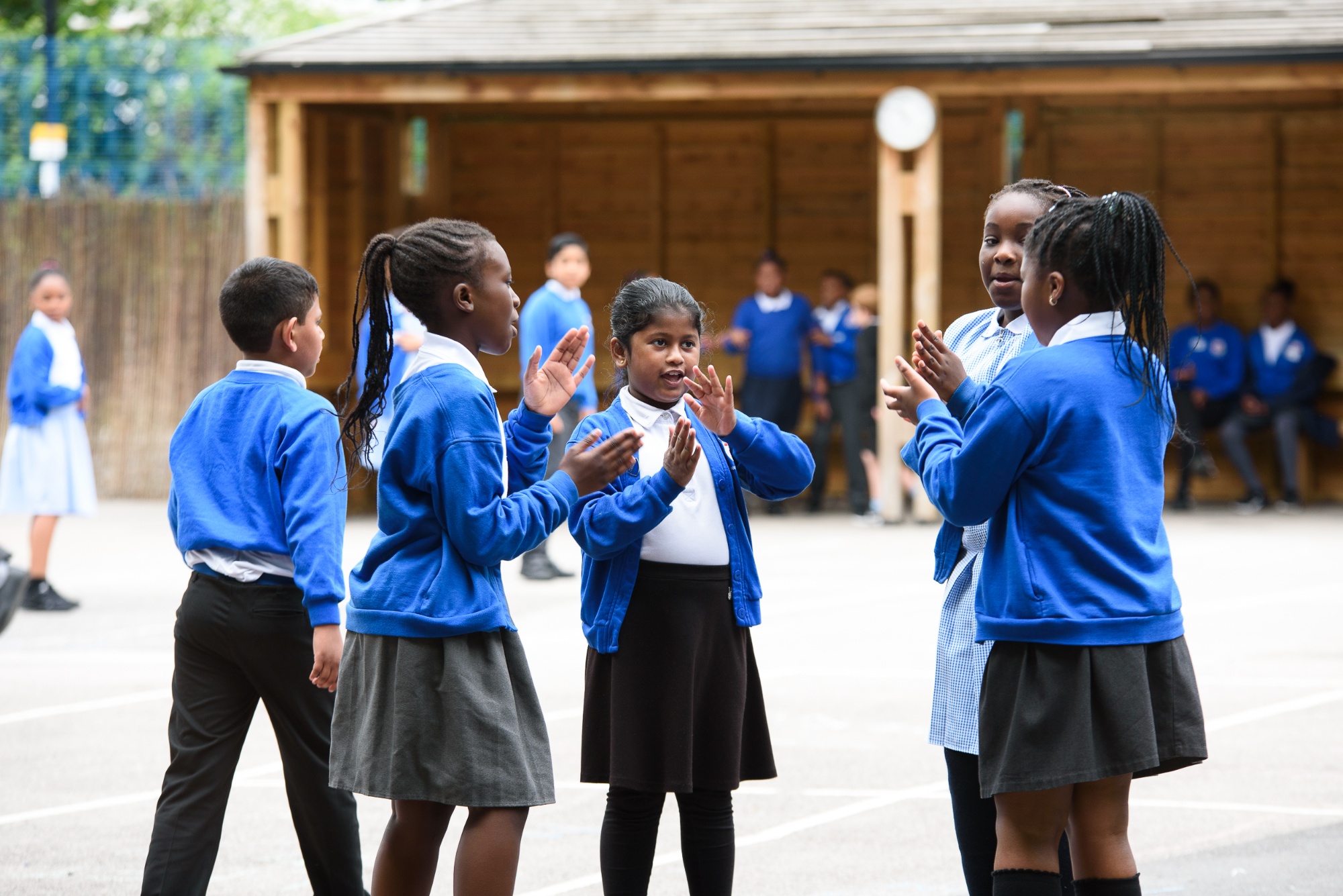
In Languages, we want to encourage pupils to express their ideas and thoughts in another language and to understand and respond to its speakers, both in speech and in writing. We approach the teaching and learning of foreign languages like ‘language lego’: we start with small blocks of language knowledge, increase the number and complexity and encourage pupils to put the blocks together to create complex, adventurous and amazing linguistic structures. We provide opportunities for them to communicate for practical purposes, learn new ways of thinking and read great literature in the original languages. We ensure a solid foundation for learning further languages, equipping pupils to study and work in other countries.
Impact
The impact of our curriculum is directly aligned to our whole school vision and culture statements, as well as the languages vision statement and the aims and purposes set out in the national curriculum.
We say to our pupils:
Be expressive:
This means we want our pupils to:
Be brave:
-
Learn new vocabulary relevant to the Languages topic.
-
Recognise and respond to question words.
Be great:
-
Speak in sentences, using familiar vocabulary, phrases and basic language structures
-
Be able to describe people, places, things and actions orally and in writing
-
Develop accurate pronunciation and intonation so that others understand when they are reading aloud or using familiar words and phrases.
Be you:
-
Engage in conversations; ask and answer questions; express opinions and respond to those of others; seek clarification and help.
-
Write phrases from memory, and adapt these to create new sentences, to express ideas clearly.
Be cultured:
This means we want our pupils to:
Be brave:
-
Appreciate that there are different cultures.
-
Listen attentively to spoken language and show understanding by joining in and responding.
-
Explore the patterns and sounds of language through cultural songs and rhymes.
-
Link the spelling, sound and meaning of words
Be great:
-
Appreciate stories, songs, poems and rhymes in the language.
-
To recognise how other languages differ from or are similar to English.
-
Understand basic grammar appropriate to the language being studied- e.g. feminine and masculine, conjugation of high-frequency verbs.
Be you:
-
Develop relations with schools and pupils in another country.
Be confident:
This means we want our pupils to:
Be brave:
-
Be able to stand in front of others and ‘have a go’.
-
Have a clear understanding of the phonics of another language to be able to pronounce words with confidence.
Be great:
-
Present ideas and information to a range of audiences.
-
Be able to use Language knowledge within other areas of the curriculum.
Be you:
-
Broaden their horizons and have ambitions to travel to countries with different languages and cultures.
What language do pupils learn at St. George's?
At St. George's, we have chosen to teach French. This is because of the  knowledge of our staff and because of the relevance to many of our pupils' linguistic heritage.
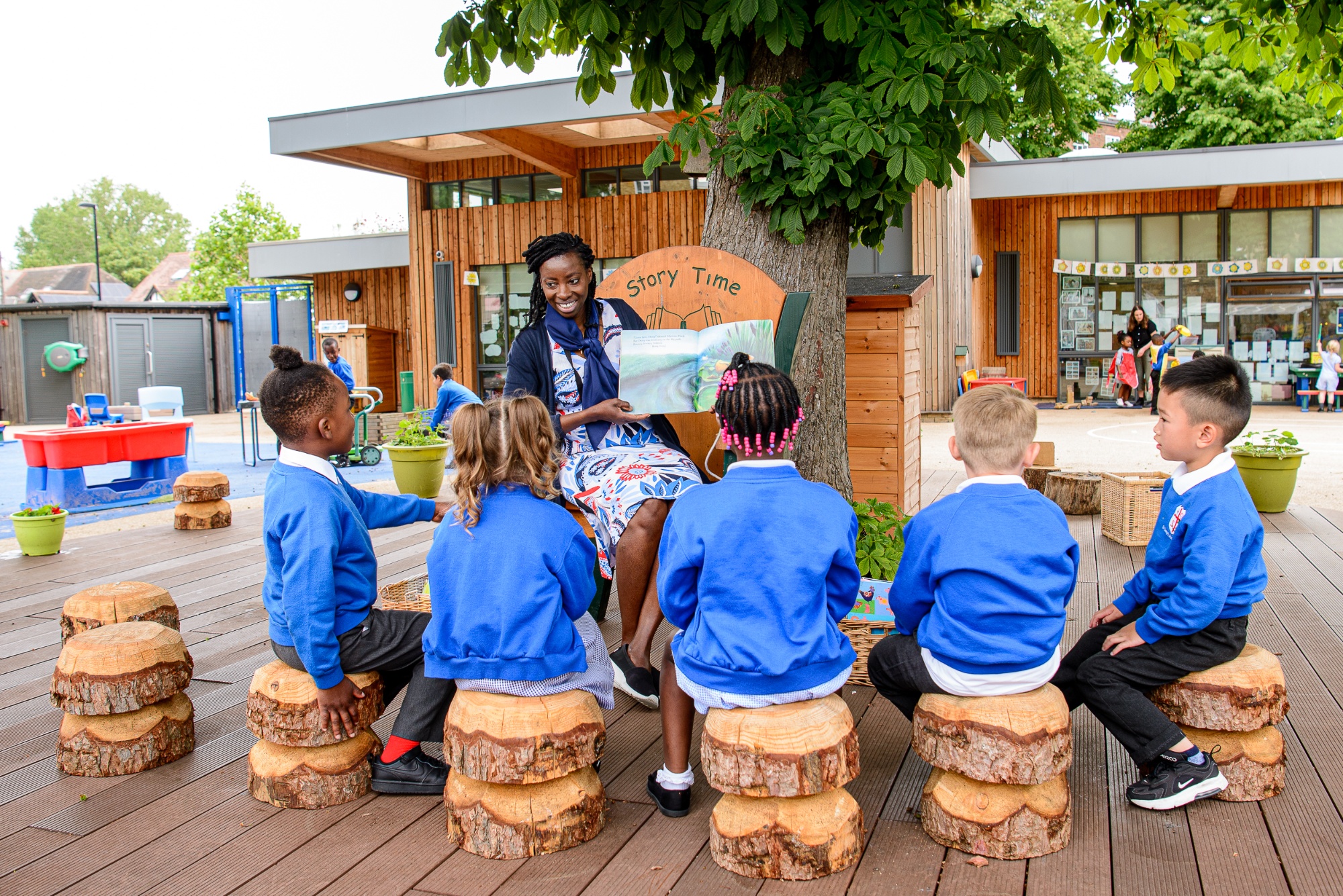
In line with statutory guidance, French is taught across Key Stage Two, however we are developing ways of introducing language through song in the Early Years and Key Stage One so that pupils have the building blocks and pre-built schema through which to begin learning in Year Three.
CUSP Languages Curriculum
CUSP Languages Curriculum
CUSP French has been purposefully built around the principles of evidence-led practice. This is to ensure that there is a focus on high-quality development of children as linguists. Core areas of study are revisited throughout the curriculum. Each unit of study focuses on phonics, grammatical structures, reading, writing, oracy and vocabulary.
Fully resourced, CUSP French is both teacher facing and pupil facing, building consistency in how French is taught across the school and ensuring that teachers, including those with no prior knowledge of French, have the subject knowledge required to teach the content.
CUSP French has been designed to serve young linguists in the modern world. Key areas of focus have been deliberately selected to ensure that pupils are equipped with knowledge and language that will serve them in engaging with important and useful topics such as the environment, wellbeing and travel.
The curriculum focuses not just on vocabulary acquisition but also on the building blocks of learning a new language.
Clear structures and learning routines underpin CUSP French. This allows pupils (and teachers) to direct their cognitive attention to the core content in each block. As with all CUSP subjects, Knowledge Notes are used to support instruction and the revisiting of new concepts. This strong focus on cognitive science provides the framework for pupils to deepen and broaden their knowledge of the French language and become confident, inspired linguists.
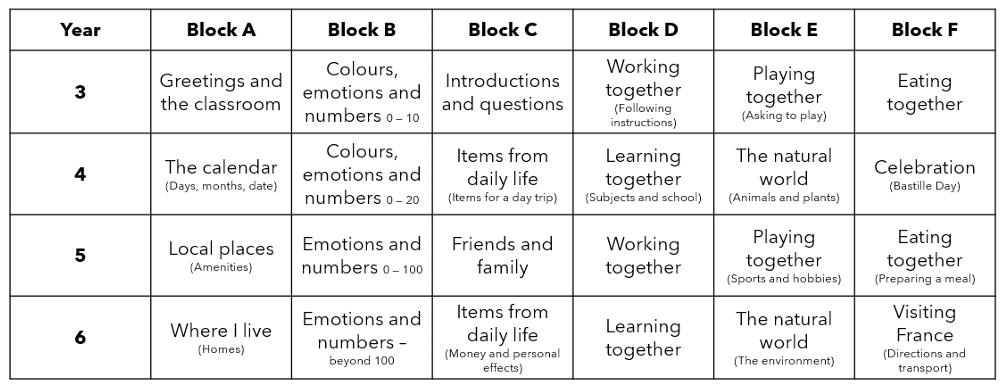
CUSP Long term sequence