RSHE
Be healthy.
Be safe.
Be resilient.
Our Relationships, Sex and Health Education Curriculum Vision
Be healthy. Be safe. Be resilient.
Intent
Our intent is to deliver the content outlined in the Relationships, Sex and Health Education programmes of study within the national curriculum augmented with powerful knowledge carefully selected to build upon our pupils’ starting points of cultural capital.
To this end, we use the Discovery model curriculum. This is a knowledge-engaged progress model which clearly outlines the key knowledge and vocabulary for each stage of learning in sequence. It has been deliberately adapted in order for pupils to see themselves in the curriculum and prepare them for life in modern Britain.
Implementation
All areas of our curriculum are implemented using ten principles of effective instruction outlined in our Teaching Touchstones, which work in symbiosis with the Gradual Release Towards Independence model for teaching.
In RSHE, we are passionate about implementing our curriculum through a progressive, emotional-literacy-focused and nurturing approach because we want our children to be able to overcome the challenges of creating a happy and successful adult life. Pupils need the knowledge to enable them to make informed decisions about their wellbeing, health and relationships and to build their self-efficacy. As our children progress through primary school, they develop the capacity to make sound decisions when facing risks, challenges and complex contexts as well as being able to develop positive relationships with themselves and others. Through the Discovery curriculum, we help prepare pupils for the opportunities, responsibilities and experiences of adult life as well as develop their spiritual, moral and social understanding. Mindfulness is also included in each lesson allowing children to advance their emotional awareness, concentration and focus.
Impact
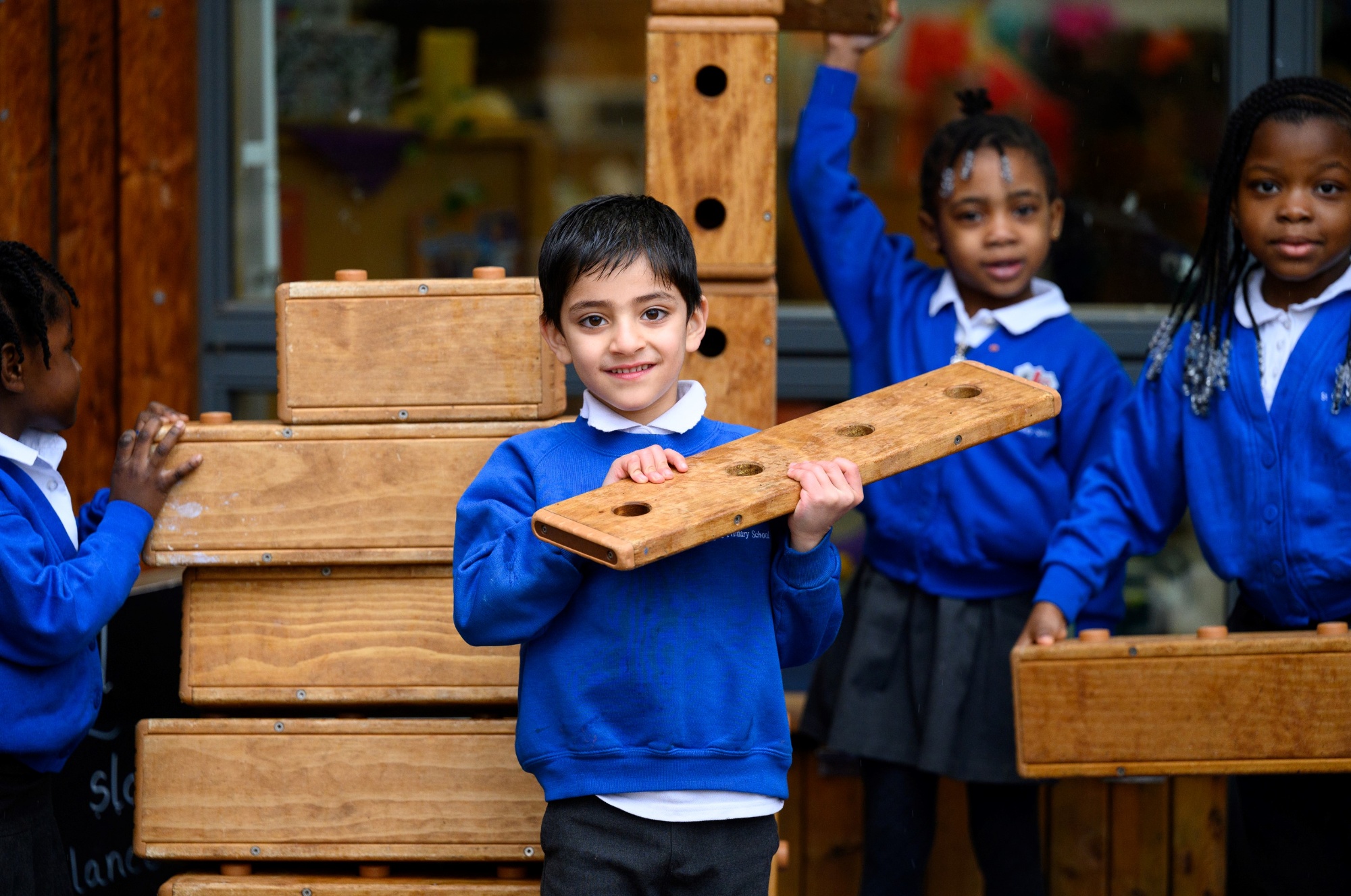
The impact of our curriculum is directly aligned to our whole school vision and culture statements, as well as the RSHE vision statement and the aims and purposes set out in the national curriculum.
We say to our pupils:
Be Healthy:
This means we want our pupils to:
Be brave:
-
Know when to say no to something that may harm their health.
-
Use positive self-talk to build positive body image and self-esteem.
-
Recognise a negative relationship and seek support including family relationships.
Be great:
-
Know how to be healthy in body and mind.
-
To know how to manage emotional and mental wellbeing.
-
Know how to limit time spent online to a healthy limit.
-
Know what a healthy, respectful relationship is and how to develop them.
-
To know how family relationships can support them.
-
Respect the boundaries of others, be courteous and have good manners.
Be you:
-
To be aware of their own body and mind and what makes them healthy.
-
To feel a part of a community and accepting of others and their differences
Be Safe:
This means we want our pupils to:
Be brave:
-
Report unsafe incidents both online and in the real word to a trusted adult.
-
To work through friendship issues in a respectful way.
Be great:
-
Know how to keep themselves safe in the real world and online.
-
To recognise and report all types of abuse.
-
Know how to behave respectfully both in the real world and online.
-
To know first aid and what it means.
-
To recognise all types of bullying and report to a trusted adult.
-
Know where and how to report any concerns to theirs or others’ safety.
-
To recognise who to trust and not to trust.
Be you:
-
To know how to keep themselves safe and their personal boundaries.
Be resilient:
This means we want our pupils to:
Be brave:
-
Overcome challenges by knowing where and how to access support.
-
To persist in the face of setbacks.
-
To develop strategies to manage difficult emotions.
Be great:
-
To believe they can achieve.
-
To work towards long-term goals.
-
To develop self-worth and self-respect.
-
To recognise and manage emotions.
Be you:
-
To know that all families can look different, but still provide love and support.
-
To be self-aware and manage difficult emotions.
Discovery Education Health & Relationships Programme
As outlined in our Curriculum Vision Statement for RSHE, we are passionate about implementing our curriculum through a progressive, emotional-literacy-focused and nurturing approach because we want our children to be able to overcome the challenges of creating a happy and successful adult life.
As such, to deliver our curriculum, we use the Discovery Education Health and Relationships Programme to support us in meeting these outcomes through dedicated lesson time, in addition to cross-curricular learning through e.g. science (dental hygiene, healthy diet etc.) and through whole school and key stage assemblies e.g. Internet Legends online safety.
The programme lessons progress from year 1 to year 6 with activities and videos to make learning engaging and enjoyable for our pupils, as well as developing their learning and understanding in an age-appropriate way.
The curriculum is divided into six topics, as detailed below.
(c) Courtesy of Discovery Education
Healthy and happy friendships
This topic explores friendships: their importance, what being a good friend means, and how to keep friendships positive and healthy. Pupils investigate their own values and identity (including their online identity), and develop skills to resolve difficulties within friendships, including maintaining and respecting personal boundaries and safe touch, managing peer pressure and coping with the effects of change within friendships.
Similarities and differences
This topic focuses on and celebrates the similarities and differences between people, exploring and encouraging ways to value and respect difference and diversity . It looks at the damaging effect that stereotypes can have, and how to identify and challenge them. It helps pupils recognise their own personal strengths and abilities and develop self-respect.
Caring and responsibility
This topic focuses on special people. It explores why they are special and how they care for one another and keep one another safe. It examines pupils’ increasing responsibilities towards themselves and others as they get older, including the role they can play and the difference they can make within their communities.
Families and committed relationships
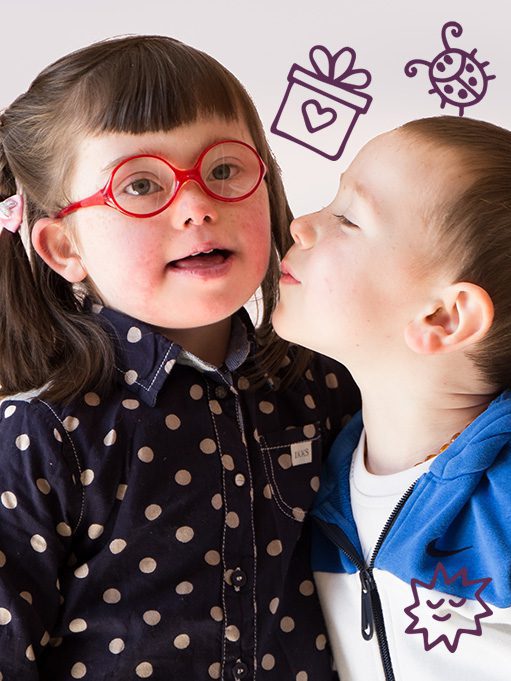
This topic explores the importance and diversity of families, and the characteristics of healthy, positive family relationships. It enables pupils to recognise when they may feel unsafe within a family, and how to ask for help if they need it. It identifies the characteristics of a committed relationship, and at Year 6 explores human reproduction and other ways that people can start a family.
Healthy body, healthy mind
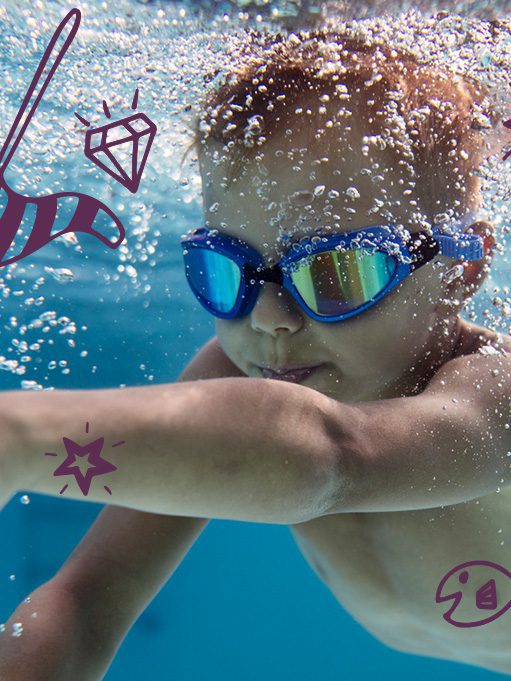
This topic explores how to stay healthy, both physically and mentally. It looks at ways to maintain wellbeing and prevent illness; how to develop a healthy, balanced lifestyle; and the consequences and effects of different habits and choices. It encourages the development of positive self-worth and recognition, and explores what might cause or influence unhealthy ways of thinking and how to overcome them.
Coping with change
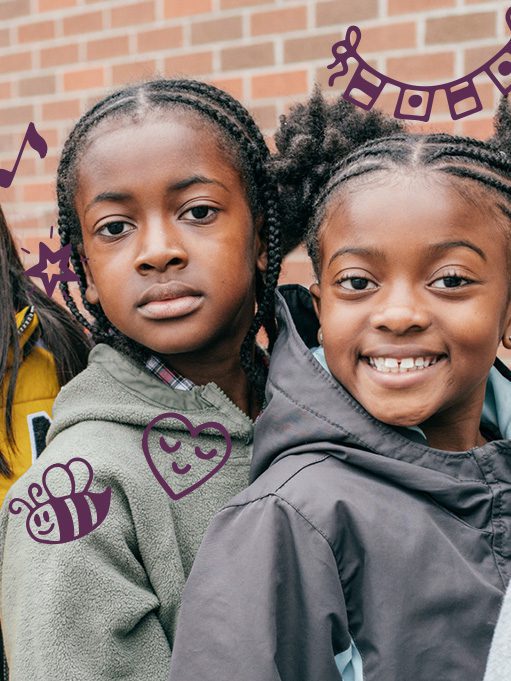
This topic explores how people grow and change from babies, through puberty to adulthood. At Key Stage 1, it examines ways in which children have grown and how they will continue to change, and how to develop resilience. At Key Stage 2, it identifies changes that will take place in children’s bodies during puberty, and explores ways to manage the emotional effects of life changes, including the transition to secondary school.
Teachers will answer any questions from pupils in an age-appropriate and factual way, without personal bias or judgement. Questions will be answered in one of the following ways:
- by providing an answer to the whole class;
- by giving an individual answer to a pupil;
- on rare occasions, by contacting parents if we feel the question would be better handled in the home setting.
Any questions that give rise to concerns of a safeguarding nature will be handled in line with our safeguarding policy.
At St. George's, we timetable weekly sessions for RSHE, as well as integrating it in Collective Worship and our every day culture and weaving it into all curriculum areas.
Please see the Discovery website here, for more details.